4 Smarter Ways to Spend on Home Improvement Projects
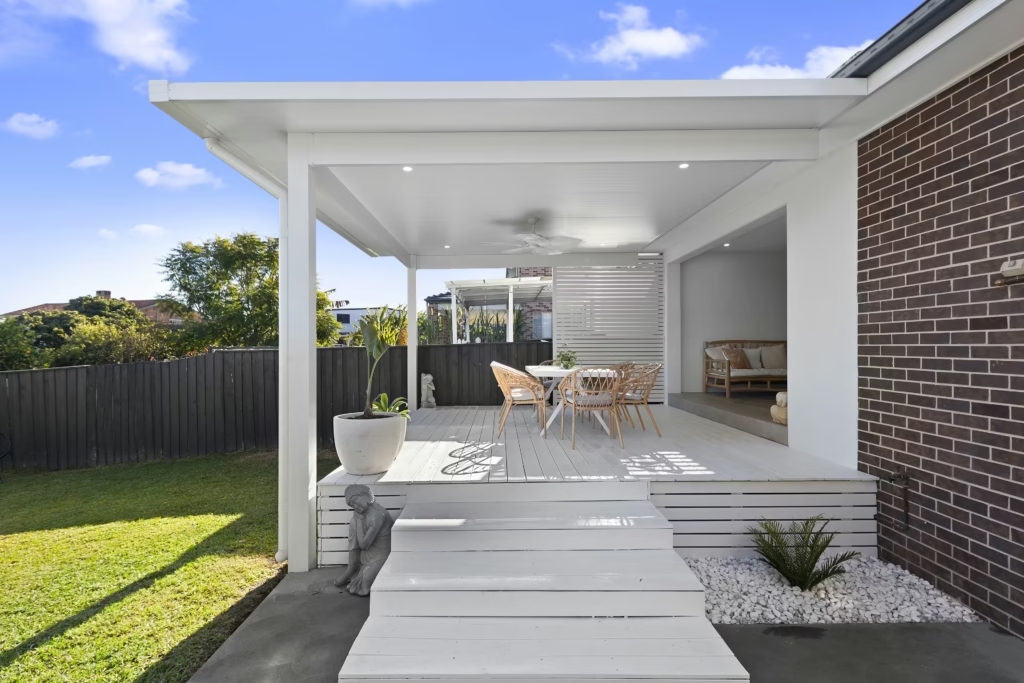
If you’re planning on upgrading your home, you want to make sure the choices you make actually last. Home improvement projects aren’t cheap. One wrong decision and that upgrade is now draining your wallet and your patience. When you spend smartly, every dollar stretches further. Shaded aluminium pergolas can make hot afternoons your favorite time of day. Even choosing the right materials that don’t warp, rot, or constantly demand attention can save you years of hassle.
So how do you know where to put your money? That’s where this guide is here to help. We’ll walk through four smarter ways to approach home upgrades so you get durability, comfort, and a real bang for your buck.
Invest in Durable Materials
If there’s one thing homeowners regret most, it’s cutting corners on materials. Sure, cheaper timber or bargain tiles look great on day one, but give them a season of rain, heat, and wear-and-tear, and you’re back at the hardware store again.
That’s why durability should always come first. The upfront cost is only a small price to pay. What really matters is how many years you can enjoy that upgrade without replacing, repainting, or patching things up every few months. Let’s take aluminium structures, for example. They’re lightweight yet incredibly strong, termite-resistant, and don’t crack or split the way timber often does. Plus, the sleek finishes add a modern edge without demanding constant upkeep.
Imagine sitting under your pergola during a summer storm and not worrying about rotting beams or sagging panels. That kind of reliability is worth more than a quick discount. So before you chase the cheapest option, ask yourself a simple question: Will this last for a long time, or will I be replacing it before I’ve even paid off the first round?
Plan with Digital Tools
Even the best materials won’t save a project that wasn’t planned properly to begin with. A little time spent from the get-go can prevent a lot of expensive mistakes later. These days, planning doesn’t have to be complicated, as digital tools have made it ridiculously simple to accurately map out projects.
Take a deck calculator, for example. Instead of sketching measurements on paper, you can type in your dimensions, adjust the layout in real time, and get a clear picture of the costs involved. No guesswork involved whatsoever.
You’ll no longer have to stand in the lumber aisle wondering if you’ve bought too much or too little. No more second-guessing whether your deck can handle the weight of that new outdoor kitchen you’ve been eyeing. Planning with precision means fewer surprises, and who doesn’t want fewer headaches when dealing with a home project?
Focus on Energy Efficiency
A lot of homeowners tend to overlook the fact that outdoor upgrades can actually cut down on their energy bills. Let’s take shade, for instance. An aluminium pergola can make an outdoor area usable year-round, but it also reduces the amount of direct sunlight hitting your windows and walls. That means your air conditioner doesn’t have to work overtime in summer. Less energy used, less money spent.
Small design choices also can be more energy efficient, like positioning outdoor spaces to catch breezes or selecting materials that reflect rather than absorb heat. Even the little details, like choosing LED outdoor lighting or installing smart timers, add up to savings over time.
Energy costs aren’t going down anytime soon. Building smarter now will allow you to create a cooler home, lower bills, and the freedom to actually enjoy those long summer evenings without worrying about your next electricity bill.
Prioritize Multi-Functional Spaces
Square meterage is valuable, and not everyone has a giant backyard to work with. That’s why the smartest home improvements today have multiple functions. A deck can be a dining area, a play space for kids, and a quiet morning coffee spot all at once.
Multi-functional design means squeezing every ounce of value out of the space you already have. Outdoor benches that double as storage, modular seating that shifts with the occasion, or built-in planter boxes that double as privacy screens all add flexibility without feeling cluttered.
Structures play a huge role here, too. For example, an aluminium pergola can easily transform into an outdoor “room.” Add retractable blinds and string lights, and you’ve got a space that works for entertaining friends, sneaking away with a book, or even tackling work-from-home days in the fresh air.
When spaces adapt to different needs, they naturally become the most used and loved parts of the home. That’s the kind of return on investment you’ll feel every day you step outside.
Conclusion
Home improvement doesn’t have to feel like a gamble. The truth is, it’s not always about spending more. It’s about spending smarter. A strong deck built with the right structure, a shaded corner that keeps the house cooler, or even just a well-planned outdoor project using tools like a deck calculator, are all choices that add up.
So next time you’re weighing up where to put your money, think about the projects that keep giving back, that don’t just look good in the moment but make life easier, lighter, and a little more enjoyable in the long run. Because really, isn’t that what a home should do?