What to Expect From Aviation Borescope Inspections in 2026
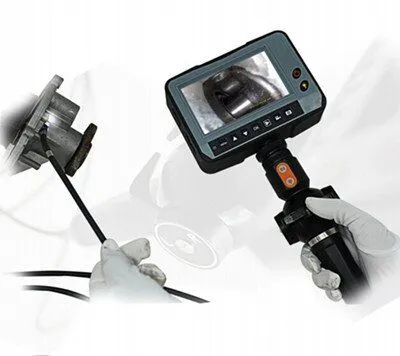
Aviation maintenance continues to evolve as inspection technology improves, and borescopes are at the forefront of these advancements. Modern borescopes provide high-resolution imaging, flexible articulation, and integrated measurement capabilities that allow maintenance teams to assess engines more thoroughly than ever before. These tools are designed to access hard-to-reach areas such as turbine blades, compressors, combustor sections, and other critical components without extensive disassembly.
High-Resolution Imaging and Lighting
One of the most notable advancements in 2026 borescopes is enhanced imaging quality. High-definition cameras now provide sharper, more detailed visuals of internal engine components, enabling technicians to identify small cracks, corrosion, or wear that may have previously gone unnoticed. Adjustable LED lighting enhances visibility in confined or dark spaces, revealing subtle surface conditions. The ability to zoom and focus on specific areas allows for precise assessment and measurement, helping maintenance teams make informed decisions and plan timely repairs.
Flexible Probe Articulation
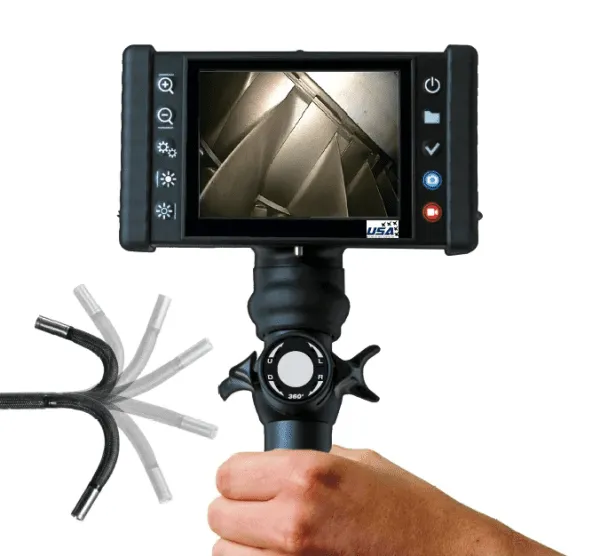
Modern aviation borescopes offer increased flexibility through multi-directional articulation, allowing technicians to access components at various angles. Two-way, four-way, and even six-way articulating probes provide greater control of the camera tip, ensuring full coverage of curved surfaces, tight passages, and complex geometries. This feature reduces the need for partial disassembly, which saves time, minimizes potential handling errors, and maintains engine integrity during inspection. Improved articulation is particularly important for inspecting turbines, compressors, and combustor sections, where space is limited and visibility is challenging.
Integrated Measurement and Analysis Tools
Borescopes in 2026 are often equipped with built-in measurement and analysis features. These tools allow technicians to quantify defects such as cracks, erosion, and material loss directly from images or video. Digital overlays and reference markers enable accurate evaluation of defect size and location, supporting compliance with regulatory standards and maintenance documentation. This functionality also facilitates trend monitoring over time, allowing predictive maintenance strategies to be implemented more effectively and reducing the likelihood of unexpected component failures.
Real-Time Data Capture and Documentation
Capturing and storing inspection data is now a standard capability of modern borescopes. High-resolution images and videos can be recorded, annotated, and stored digitally, providing a permanent record of engine condition. These records can be referenced during future inspections, compared to previous assessments, and shared among engineering teams or regulatory authorities. Real-time feedback and documentation reduce the risk of overlooked issues and provide a reliable basis for maintenance planning, ensuring engines remain in optimal condition.
Standardized Inspection Procedures
As technology advances, so do inspection protocols. Maintenance teams in 2026 can implement standardized procedures using borescopes to ensure consistent coverage of critical engine areas. Step-by-step scanning patterns and probe rotation techniques minimize the risk of missed defects and create repeatable inspection workflows. Digital checklists and integrated imaging support further standardization, enhancing accuracy and efficiency across maintenance teams.
Predictive Maintenance Capabilities
Modern borescopes are essential tools for predictive maintenance strategies. By recording images and data during inspections, maintenance teams can monitor component condition over time and identify early signs of wear or damage. Predictive maintenance reduces unplanned downtime, extends component life, and improves operational efficiency. Detailed visual records combined with measurement data allow technicians to plan repairs in advance, schedule maintenance during planned downtime, and reduce operational disruptions.
Safety Benefits of Modern Borescopes
Borescope inspections reduce the need for extensive disassembly, which not only saves time but also enhances safety for technicians. Inspecting high-pressure, high-temperature, or confined areas without direct contact lowers the risk of injury and potential damage to engine components. Safe inspection practices also help organizations comply with occupational safety regulations while maintaining high inspection quality.
Versatility Across Engine Types
2026 borescopes are designed for a wide range of engine types, including commercial aircraft turbines, industrial turbines, and auxiliary power units. Interchangeable probes, adjustable lighting, and software compatibility allow technicians to adapt inspections to different components and engine designs. This versatility reduces the need for multiple specialized tools and ensures that maintenance teams can perform accurate inspections across diverse equipment. Versatile borescopes streamline operations and lower equipment investment costs.
Enhancing Technician Proficiency
The effectiveness of borescope inspections depends on the technician’s skill. Modern tools in 2026 offer user-friendly interfaces, intuitive probe controls, and real-time imaging that assist technicians in performing accurate assessments. Training programs focus on probe handling, defect recognition, and measurement techniques to ensure inspections are reliable. Experienced technicians can operate borescopes efficiently, reducing inspection times while maintaining accuracy.
Digital Integration and Workflow Optimization
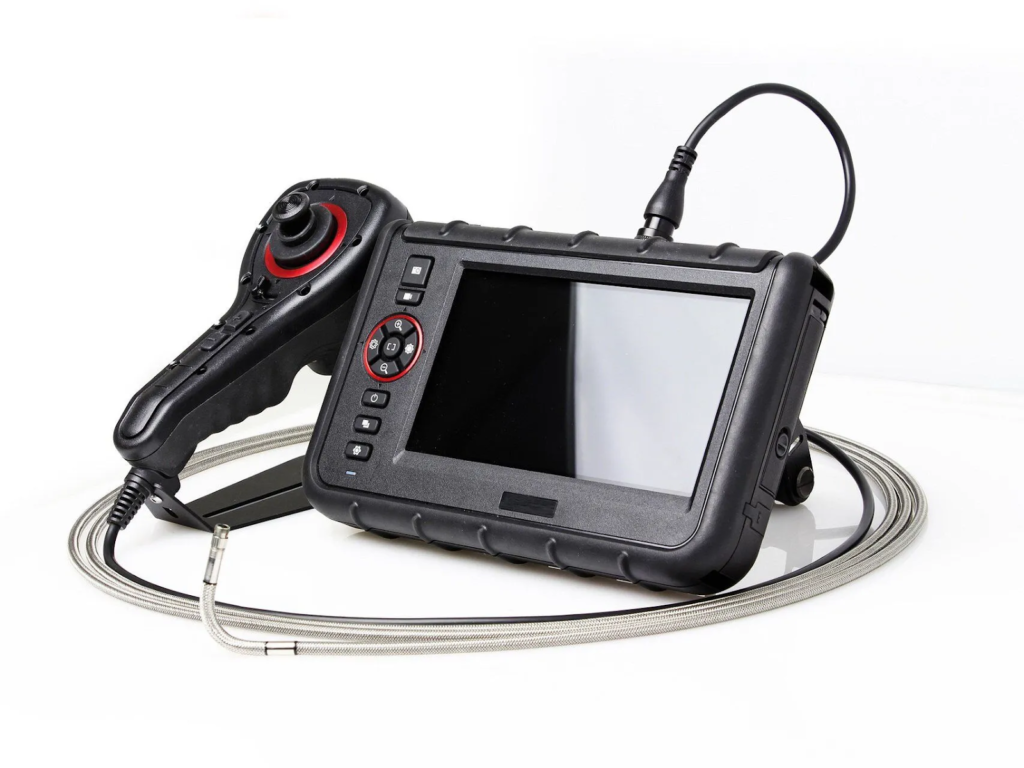
Many modern borescopes integrate with maintenance management software to improve workflow efficiency. Inspection data can be stored, analyzed, and shared digitally, allowing engineering teams to plan repairs and monitor trends effectively. Digital integration reduces manual recordkeeping, minimizes errors, and enhances communication between maintenance, operations, and management. Streamlined workflows save time and resources while supporting informed decision-making, making borescopes an indispensable tool for modern aviation maintenance programs.
Cost and Efficiency Advantages
By reducing inspection times and enabling early detection of defects, modern borescopes offer significant cost savings. Avoiding unnecessary disassembly and preventing component failures lowers operational and maintenance expenses. Accurate inspections also reduce the risk of repeated inspections or missed defects, enhancing operational reliability.
Advanced Tools for Accurate Aviation Engine Inspections
These tools improve efficiency, reduce downtime, and enhance overall operational safety. For aviation professionals seeking reliable inspection solutions that optimize workflows and improve assessment accuracy, USA Borescopes offers advanced equipment designed to meet modern maintenance needs. Contact them today.
About the Author
The Author is a technical writer with expertise in aviation maintenance, mechanical systems, and industrial inspection technologies. They focus on producing content that communicates complex technical procedures clearly and practically for professionals. With experience in evaluating inspection tools, workflows, and emerging technologies, they provide actionable insights that support efficiency, reliability, and safety.