Why Direct-to-Film Printing is Transforming the Custom Apparel Industry
Introduction
The custom apparel industry has experienced remarkable growth over the past decade. From personalized t-shirts and hoodies to branded corporate wear, customers now expect high-quality prints with vibrant colors and long-lasting durability. Among the most innovative technologies driving this transformation is Direct to Film printing, a method that offers flexibility, efficiency, and professional-grade results.
This printing technique has become increasingly popular because it allows businesses to produce detailed, full-color designs on a wide variety of fabrics without complex preparation processes. Whether you are a startup apparel brand or an established print shop, understanding this technology can give you a competitive advantage.
What Is Film-Based Garment Printing?
Direct to Film is a modern printing method where designs are printed onto a special film and then transferred onto fabric using heat and adhesive powder. Unlike traditional methods that require pre-treatment of garments, this approach simplifies the workflow while maintaining high print quality.
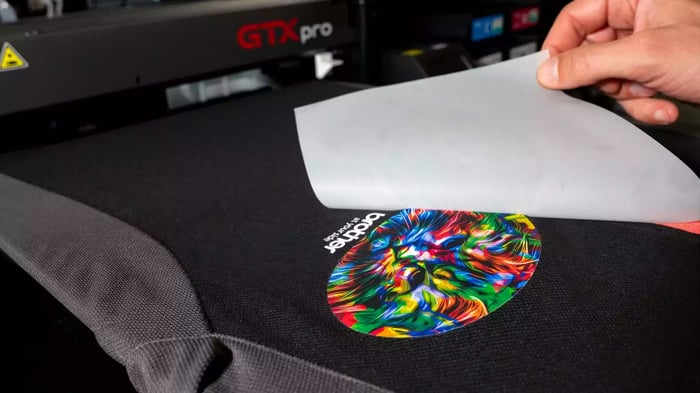
The process begins with printing a design onto a transparent film using specialized inks. After printing, adhesive powder is applied and cured. The film is then heat-pressed onto the garment, transferring the design permanently onto the material. The result is a soft, flexible, and highly durable print that withstands repeated washing.
Why Businesses Are Choosing This Technology
One of the main reasons businesses are adopting DTF printing is versatility. It works effectively on cotton, polyester, blends, and even darker fabrics without compromising color vibrancy. This flexibility makes it ideal for print shops handling diverse customer orders.
Another key advantage of DTF is cost efficiency. Since there is minimal setup compared to screen printing, it is perfect for short production runs and custom one-off designs. Small businesses benefit greatly because they can accept low-quantity orders without high operational costs.
Additionally, the prints are stretch-resistant and maintain their appearance over time. Customers appreciate garments that look fresh and vibrant even after multiple washes.
Comparing It to Other Printing Methods
Traditional screen printing requires separate screens for each color, making it time-consuming for complex designs. Direct-to-garment (DTG) printing offers detailed results but may struggle with certain fabrics and requires pre-treatment.
In contrast, Direct to Film printing combines ease of use with professional results. It eliminates the need for extensive fabric preparation and allows for efficient production without sacrificing detail or durability.
For businesses aiming to scale quickly while maintaining quality, this printing solution offers a practical balance between performance and affordability.
Ideal Applications for Apparel Brands
This printing technology is suitable for various apparel products, including t-shirts, hoodies, tote bags, sportswear, and promotional clothing. Startups launching fashion brands often prefer DTF because it allows them to experiment with creative designs without investing heavily in equipment for large-scale production.
Corporate branding companies also benefit from this method when producing customized uniforms or promotional merchandise. The ability to print detailed logos and gradients makes it highly attractive for professional branding projects.
Quality, Durability, and Customer Satisfaction
Customers today demand not just attractive designs but also durability. Prints created through this film-based process are resistant to cracking, peeling, and fading. The flexibility of the transferred design ensures comfort while wearing the garment.
By adopting advanced printing technologies, businesses can enhance their product quality and build a stronger reputation in competitive markets. High-quality output leads to repeat customers and positive word-of-mouth marketing.
The Future of Garment Printing
As technology continues to evolve, printing solutions are becoming more efficient and environmentally conscious. Improved ink formulations and energy-efficient curing systems are shaping the future of the apparel customization industry.
Entrepreneurs who invest in modern printing systems position themselves ahead of the competition. With growing demand for personalized clothing, scalable and flexible solutions will continue to play a vital role in the industry’s expansion.
Conclusion
Film-based garment printing is redefining how custom apparel businesses operate. Its versatility, affordability, and durability make it an attractive choice for both small startups and established print shops. By embracing this innovative approach, businesses can deliver vibrant, high-quality garments that meet modern customer expectations and drive long-term success.